By Marta Brió, Luxury Travel Specialist
December marks two very different travel seasons at the same time. While the Northern Hemisphere moves into winter, much of the Southern Hemisphere is entering summer.
Christmas and New Year’s travel takes very different forms depending on where the journey takes place. Shorter days, colder weather, and seasonal events shape many northern vacation plans, while southern destinations can revolve around long summer evenings and outdoor celebrations.
The practical requirements change with the season. Winter weather and equipment can affect vehicle choice and journey times, while summer itineraries may involve more time between beaches, waterfront venues, and outdoor events. Around Christmas and New Year’s Eve, road closures and temporary access restrictions can also change how travelers move through a city.
Winter in the Northern Hemisphere
Winter itineraries in the Northern Hemisphere vary considerably depending on the destination. In some cities, most activities remain concentrated within the urban area, while others combine city stays with snow activities or longer journeys beyond the center.
The three examples below show how different those travel patterns can be even within the same season:
- Montreal: December brings together Christmas markets, outdoor skating, illuminated installations, and seasonal events across downtown, Old Montreal, and other parts of the city. Snow and low temperatures are also part of everyday winter travel, adding weather conditions to journeys that otherwise remain largely urban.
- Salzburg: Christmas markets operate across the city from November, including the Christkindlmarkt at Domplatz and Residenzplatz and the market at Mirabellplatz. Much of the festive activity is concentrated around the historic center, making it possible to combine markets, restaurants, concerts, and other seasonal events without covering particularly long distances.
- Sapporo: Snow is part of everyday winter conditions from December, while several ski areas can be reached from the city. A festive getaway can therefore combine urban activities with time on the slopes, which also means accounting for ski equipment and longer journeys beyond the city center.

The three destinations place quite different demands on a December trip. Montreal combines winter weather with movement across a large city; Salzburg concentrates much of its festive activity within a smaller area; and Sapporo involves bulky luggage and journeys to the ski slopes.
Summer in the Southern Hemisphere
In the Southern Hemisphere, December falls at the start of summer. Longer days and warmer evenings move more of the festive period outdoors, often around waterfronts, beaches, restaurants, and open-air events.
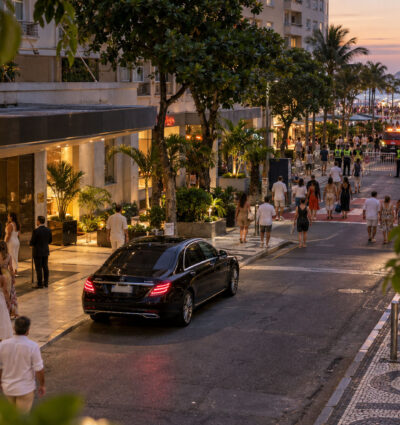
- Rio de Janeiro: Réveillon places Copacabana at the center of the celebration, drawing considerable crowds to the beachfront. Access conditions around the area change substantially on December 31, so where travelers are staying and where they plan to spend the evening can have a direct impact on journey times and pickup points.
- Cape Town: Summer activity extends well beyond the city center, with beaches, the Atlantic seaboard, the V&A Waterfront, and the Cape Winelands all forming part of a typical festive stay. A day can easily involve longer distances than expected, particularly when an afternoon outside the city is followed by dinner or an evening event back in Cape Town.
- Melbourne: December brings the start of the Australian summer. St. Kilda and Brighton can be combined with activities in central Melbourne, while longer days also make it easier to extend plans into the evening.

Summer plans can also cover greater distances during the course of a day, particularly when time at the beach is followed by dinner or an evening event elsewhere.
Seasonal differences in vehicle requirements
Seasonal travel changes what passengers bring with them. Ski equipment and bulky winter clothing can take up considerable space, while a longer summer vacation can mean significantly more luggage than a short city break.
Passenger numbers alone give only part of the information needed when choosing a vehicle. Two travelers on a weekend trip and two travelers away for ten days occupy the same number of seats but can have very different luggage requirements.
The same applies to groups arriving together. Several suitcases, equipment, child seats, or other personal items can quickly change which vehicle categories are suitable, even when the number of passengers remains unchanged.
December 31 is not a normal travel day
New Year’s Eve changes access conditions in many major cities. Road closures, pedestrian zones, controlled viewing areas, and large crowds alter usual routes and move pickup or drop-off points away from the venue.
The effect can be very different from one location to another. In Rio de Janeiro, the concentration of people around Copacabana affects surrounding streets and beachfront access, while Melbourne establishes dedicated celebration zones for its New Year’s Eve fireworks. The exact location of the evening’s plans becomes particularly important in cities where celebrations are spread across different areas.
Journey times from previous days are therefore a poor reference for December 31. A venue that is easy to reach on December 30 may be a very different journey the following evening, with earlier departures or pickup points farther away.

Planning around fixed commitments
Christmas and New Year’s trips often have much of the schedule decided in advance. The time available between activities becomes especially important when weather, seasonal traffic, or temporary road restrictions are involved.
Looking at the full schedule also makes it easier to spot connections between different parts of the trip. A late lunch outside Cape Town, for example, affects the time available before an evening reservation in the city, just as an afternoon on the slopes near Sapporo needs to allow enough time to return before dinner.
In both cases, knowing what comes before and after each journey is as important as knowing the pickup and destination.