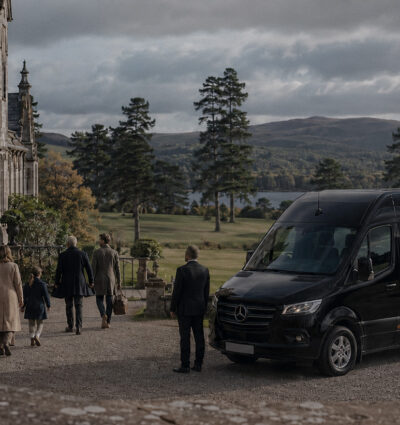
By Marta Brió, Luxury Travel Specialist
Every year, Scotland appears on the wish list of high-end family travelers seeking meaningful experiences. Castles, Highland landscapes, historic cities, and some of Europe’s most iconic cultural events create a compelling proposition for multigenerational travel between July and September.
Unlike destinations where most experiences are concentrated around a single city or resort area, Scotland requires careful coordination of accommodation, transportation, attraction access, dining reservations, and seasonal events. The challenge for a Travel Advisor begins with connecting all those items efficiently while preserving the quality of the guest experience.
Planning Scotland beyond the usual travel checklist
Scotland’s heritage assets are spread across the country. A typical cultural itinerary may combine Edinburgh, the Cairngorms, Balmoral, Loch Ness, Glencoe, Stirling, and the East Coast within a single trip. Unlike France or Italy, however, many of Scotland’s most desirable locations remain connected by rural roads, limited parking infrastructure, and highly seasonal visitor flows.
During the months of summer, accommodation demand reaches its annual peak. At the same time, some of the country’s most important events generate significant pressure on transportation networks and visitor attractions.
Understanding these factors early can help Travel Advisors prevent many of the challenges that typically emerge during peak season travel.
Events affecting travel in Scotland in summer
Edinburgh Festival Fringe
Dates: August 7–31, 2026
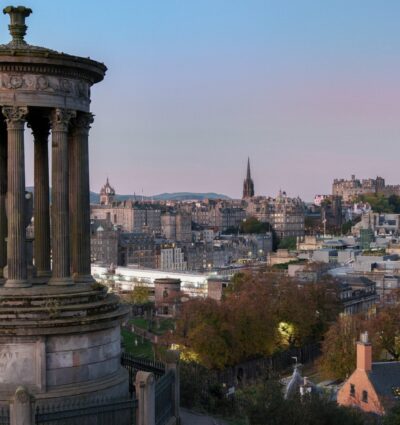
The world’s largest performing arts festival transforms Edinburgh into a city of over 3,000 shows and hundreds of venues. Hotel occupancy rises dramatically, top restaurant reservations become harder to secure, and vehicle access to central areas becomes much more challenging.
A dedicated chauffeur accompanying guests during their journey eliminates parking concerns, manages access restrictions, and allows travelers to move efficiently between venues and hotels during peak festival periods.
Royal Edinburgh Military Tattoo
Dates: August 7–29, 2026
Held on the esplanade of Edinburgh Castle, the Tattoo remains one of Scotland’s most sought-after cultural experiences. For the travel organizer, its impact focuses on strict arrival times, large pedestrian flows, and road closures around Edinburgh Castle.
A professional chauffeur service, with well-timed drop-offs and pickups, significantly improves the guest experience, particularly for families and elderly travelers.
Balmoral Castle summer access
Limited summer availability
Balmoral remains one of Scotland’s most desirable heritage experiences. Access periods and ticket availability remain limited, particularly for interior tours.
Advance booking is essential, and there are strict timed entry requirements and limited flexibility for late arrivals. A private chauffeur by-the-hour or by-the-day will ensure punctual arrival and reduce the risk of missed entry windows.
Considerations before traveling to Scotland
- Single-track roads are part of the Highlands experience: Many visitors are surprised to discover that some of Scotland’s most spectacular regions are connected by single-track roads with designated passing places. These roads require local driving knowledge and patience. Passing places should never be used for parking or sightseeing stops, as doing so creates delays and congestion for other road users.
- Vehicle capacity is frequently underestimated: One of the most common planning mistakes involves vehicle sizing. An 8-seat vehicle does not automatically accommodate 8 passengers plus luggage for a 10-day journey. Golf bags, outdoor equipment, children’s luggage, and international travel cases quickly consume available space. For groups of six to ten travelers, vehicle selection should be based on luggage requirements as much as passenger numbers.
- Weather can change multiple times per day: Scotland’s weather is famously unpredictable. Even during July and August, travelers should expect varying conditions throughout the day. Flexible itineraries and professional route planning remain important components of a successful trip.
- Wildlife awareness on rural roads: Deer, sheep, and other wildlife frequently appear on rural roads, particularly during early morning and evening hours. Local driving experience remains a significant advantage outside urban areas.
- Driving conditions as part of the itinerary: Visitors accustomed to continental Europe often underestimate the impact of driving on the left-hand side of the road, particularly when combined with narrow Highland routes and unfamiliar weather conditions. For family groups, removing the responsibility of driving becomes one of the most appreciated aspects of the journey.
Recommended 10-Day Heritage Itinerary
The following route balances Scotland’s most significant heritage sites while minimizing unnecessary driving time.
| Day | Destination | Highlights |
| 1–2 | Edinburgh | A strong cultural opening, combining Edinburgh Castle, the Royal Mile, St Giles’ Cathedral, and private city tours before moving into the Highlands. |
| 3 | Glamis & Dunnottar | Two of Scotland’s most distinctive heritage sites, combining royal history with one of the country’s most dramatic coastal castle settings. |
| 4 | Crathes & Balmoral | A day focused on royal heritage and estate life, pairing Crathes’ gardens with Balmoral’s unique position in modern royal history. |
| 5 | Cairngorms National Park | A shift into Highland landscapes, with estate experiences, wildlife, and open-air activities that work particularly well for families. |
| 6 | Loch Ness | One of Scotland’s most recognizable settings, best approached through Urquhart Castle and a private boat experience rather than a simple photo stop. |
| 7 | Glenfinnan & Glencoe | A highly scenic day combining cinematic landscapes, Highland history, and some of the most memorable views of the journey. |
| 8 | Stirling | A strategic heritage stop that connects castle history, the Wallace Monument, and Scotland’s broader national story. |
| 9 | South Queensferry | A softer final day built around coastal heritage and the Forth Bridges, allowing the itinerary to slow down before returning to Edinburgh. |
| 10 | Edinburgh Departure | A flexible departure day, keeping timing simple and allowing space for flight changes, luggage coordination, or a final city stop if needed. |
For families and groups of friends, a dedicated chauffeur throughout the itinerary allows flexibility while maintaining continuity of service across the entire journey.
Top VIP hotels in Scotland
The following properties are frequently ranked among Scotland’s leading luxury accommodations in 2026:
- The Balmoral (Edinburgh)
- Gleneagles (Perthshire)
- Inverlochy Castle (Fort William)
- The Fife Arms (Braemar)
- Glenapp Castle (Ayrshire)
- Fonab Castle & Spa (Pitlochry)
- Dalhousie Castle (Near Edinburgh)
- Crossbasket Castle (Glasgow region)
For groups visiting Edinburgh during August, hotel location may become more important than hotel category. A five-star property within walking distance of key venues can provide a better experience than a more prestigious hotel requiring repeated vehicle movements through traffic. Either way, travel professionals should secure premium room categories as early as possible during peak summer periods.
Scotland’s most sought-after restaurants
Dining in Scotland has evolved significantly in recent years and now forms an important part of many high-end itineraries, especially for clients who expect the experience to match the quality of the itinerary. Particularly notable options include:
- Restaurant Andrew Fairlie
- The Glenturret Lalique
- Lyla
- Timberyard
- Cail Bruich
- The Three Chimneys
- The Kitchin
For July through September travel, reservations should ideally also be secured in advance.
Chauffeur-driven travel in Scotland
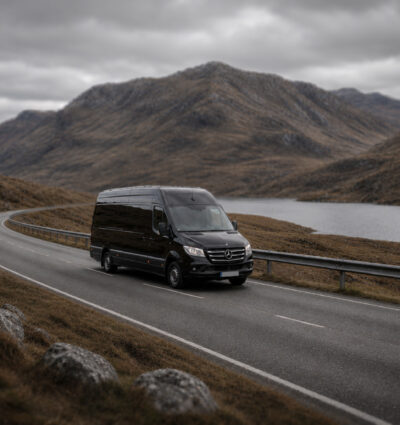
Many luxury destinations can be experienced successfully through a combination of private transfers and occasional self-driving. Scotland presents a different set of challenges, and transportation can significantly influence the success of the itinerary.
The country’s heritage attractions are geographically dispersed, its most desirable hotels are often located in rural areas, and many of its most rewarding experiences require precise timing and local knowledge. When traveling in the Highlands, how guests move between places matters almost as much as where they go.
For a Travel Advisor, a chauffeur-driven itinerary provides predictability: fewer moving parts to control, fewer calls to make during the trip, and less exposure when plans change.
A professional chauffeur also allows travelers to focus on Scotland’s castles, landscapes, cultural events, and heritage experiences. For Travel Advisors, that means a smoother journey for the client and fewer issues to solve while the trip is already underway.