By Marta Brió, Luxury Travel Specialist
Luxury travelers have traditionally been drawn to the world’s most celebrated destinations. Paris, the French Riviera, the Amalfi Coast, and the Greek islands retain their appeal, but another consideration is increasingly influencing where affluent travelers choose to spend their time: how much of the destination they will have to share with everyone else.
Privacy and space have acquired greater value as established destinations contend with increasingly concentrated visitor numbers. The 2026 Virtuoso Luxe Report identifies “Crowd Control” as one of the trends shaping luxury travel, with avoiding over-touristed destinations ranking first among the considerations identified by its advisors. Privacy also ranks among the report’s leading ultraluxe experiences.
That does not necessarily mean traveling somewhere difficult to reach. Some of the most interesting choices sit between familiarity and genuine remoteness: destinations with exceptional landscapes and a distinct local identity that remain accessible by commercial or private aviation and offer the infrastructure expected by seasoned travelers.
Four destinations worth considering
The change is already visible in booking behavior. Zicasso’s 2026 Summer Travel Trends Report, based on approximately 10,000 trip requests, found growing demand for cooler and less-crowded destinations, while “slow” was the most frequently articulated travel motivation in its summer data. Interest in authenticity and meaningful travel also increased significantly.
Reykjavik, Marrakech, Zanzibar, and Santorini offer four very different interpretations of that trend. Their appeal comes from different places—landscape, culture, pace, or timing—but all allow Travel Advisors to create a greater sense of privacy without making access unnecessarily complicated.
Reykjavik and the landscapes beyond it
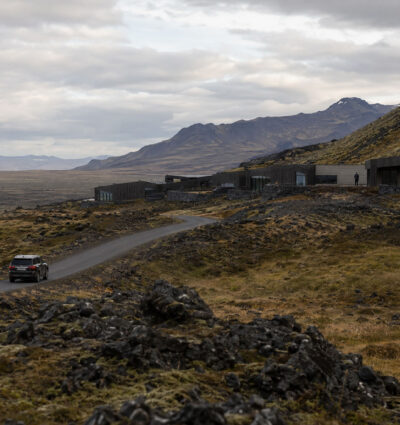
Reykjavik is often the gateway rather than the final destination. Within a relatively short journey from the capital and Keflavík Airport, travelers can move from an international aviation hub towards lava fields, geothermal landscapes, isolated coastlines, and properties surrounded by remarkably little development. Longer itineraries can continue towards Iceland’s southern landscapes or more distant lodges.
Iceland is a particularly clear example, with trip requests for summer 2026 up 80% year over year according to the same Zicasso data. The increase reflects broader interest in Northern and Atlantic Europe, driven by cooler climates, dramatic landscapes, and alternatives to more crowded summer destinations.
Once outside Reykjavik, weather and distance become increasingly relevant. Road conditions can change, individual experiences may be hours apart, and the appropriate vehicle in the capital may not be the right one for a journey deeper into the country. A flexible schedule and chauffeur-by-the-hour can be considerably more useful here than a series of transfers booked individually.
Marrakech, between city and silence
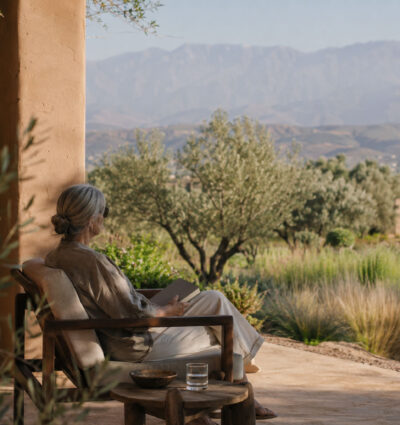
In Marrakech, some of the most interesting luxury experiences begin when the city is left behind. The Atlas Mountains, private estates, desert landscapes, and secluded kasbahs make it possible to combine time in the city with a very different pace beyond it. A traveler can spend a morning among the souks and gardens of Marrakech and end the day somewhere where the city feels considerably farther away than the actual mileage suggests.
That contrast gives Travel Advisors considerable freedom when building the itinerary. Restaurants, shopping, culture, and international air access remain within reach, even when several days are spent outside the city. Morocco’s appeal is also strengthening, with Virtuoso placing it among its destinations on the rise for 2026.
As the itinerary extends beyond Marrakech, the transfer requires more attention. Road conditions, luggage, vehicle type, departure time, and the precise location of the property all deserve consideration before the traveler arrives.
Zanzibar and the value of staying longer
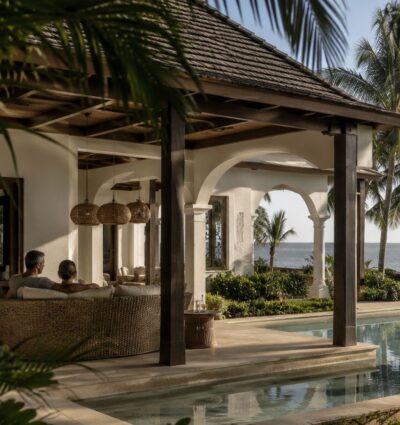
Zanzibar combines Indian Ocean beaches with Stone Town, Swahili culture, spice-growing traditions, and resort areas where travelers can spend several days without feeling the need to continually move elsewhere.
That slower pace reflects a broader change in luxury travel. Forbes reported in July 2026 that affluent travelers are increasingly paying more to “do less,” describing demand for fewer destinations, longer stays, deeper cultural immersion, and more time to disconnect.
Zanzibar lends itself naturally to that approach, but resort location matters. The airport, Stone Town, and the principal resort areas occupy different parts of the island, so distance, road conditions, and arrival time should be considered when choosing where to stay. A property that offers the desired degree of privacy may involve a substantial transfer, particularly after a long international journey.
Santorini, when timing changes the destination
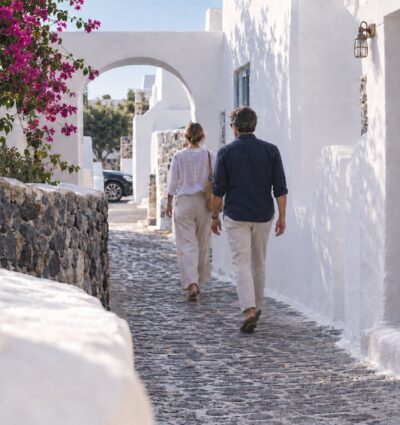
Santorini may seem an unusual choice in an article about seclusion. It is one of the Mediterranean’s most recognizable islands and can be extremely busy in summer, but timing and location can change the experience considerably.
A private property, a quieter part of the island, a shoulder-season stay, or plans built around less crowded hours can produce a very different Santorini from the one most visitors encounter at the height of an August afternoon.
Virtuoso’s 2026 research reinforces the relevance of timing. Among advisors whose clients are modifying travel because of climate considerations, 76% report greater interest in shoulder-season or off-peak travel. In Santorini, those choices can influence not only temperature and availability but also how much of the island the traveler feels they have to themselves.
What to check before confirming the itinerary
Ground transportation requires more attention as the itinerary moves beyond the main visitor hubs. The right vehicle depends on more than passenger count: road conditions, luggage, the type of property, the distance from the airport, and whether the traveler will be accompanied by assistants, family members, or security personnel can all affect the choice.
Flight schedules should also be reviewed alongside the transfer arrangements. A delayed arrival may change the most suitable route, while some hotels and private properties have access requirements that are not obvious from the map. Chauffeur details, pickup instructions, and any expected itinerary changes are therefore better resolved before the traveler lands.
The accommodation still matters. A secluded property may be surprisingly easy to reach, while another that appears close to the airport can involve a much longer or more complicated transfer than expected. A few questions help clarify what the journey will actually require:
- How long does the transfer take from the arrival airport to the property?
- Is a sedan appropriate, or do the road, luggage, and passenger requirements call for a different vehicle?
- Does the itinerary call for individual transfers or a chauffeur available throughout the stay?
- Are there any specific access, parking, or pickup requirements at the property?
- Can the same level of service be maintained if the itinerary continues beyond the main tourism center?
The appeal of these destinations does not come from remoteness alone. Iceland, Marrakech, Zanzibar, and Santorini all allow travelers to find privacy, space, and a stronger connection with their surroundings without giving up the infrastructure that high-end travel requires.
Perhaps that is a more useful definition of remote luxury today: not going as far away as possible, but finding somewhere that feels far enough.